Digital marketing isn’t just about being online—it’s about being effective online. With audiences spread across search engines, social platforms, email, and video, businesses need a clear, data-backed strategy to stand out and grow. Today’s consumers research, compare, and make purchasing decisions online, which makes a strong digital presence more important than ever. In this guide, you’ll learn how modern online marketing works, which channels matter most, and how to turn clicks into loyal customers.
What Is Digital Marketing?
Digital marketing refers to the promotion of products or services through online channels such as search engines, websites, social media, email, and paid advertising. Unlike traditional marketing methods, it allows businesses to reach highly targeted audiences, track performance in real time, and optimize campaigns continuously. These capabilities make it a powerful and cost-effective option for businesses focused on growth and measurable ROI.
At its core, this approach connects your brand with people where they already spend their time—on Google, YouTube, Instagram, LinkedIn, and in their inbox. Instead of pushing messages blindly, brands can deliver relevant content to the right audience at the right moment.
Core Components of a Winning Digital Marketing Strategy
1. Search Engine Optimization (SEO)
SEO helps your website rank higher on search engines, making it easier for potential customers to find you. By optimizing content around relevant keywords, improving site speed, and earning quality backlinks, businesses can attract consistent organic traffic. Over time, this traffic often delivers higher conversion rates because users are actively searching for solutions.
2. Content Marketing
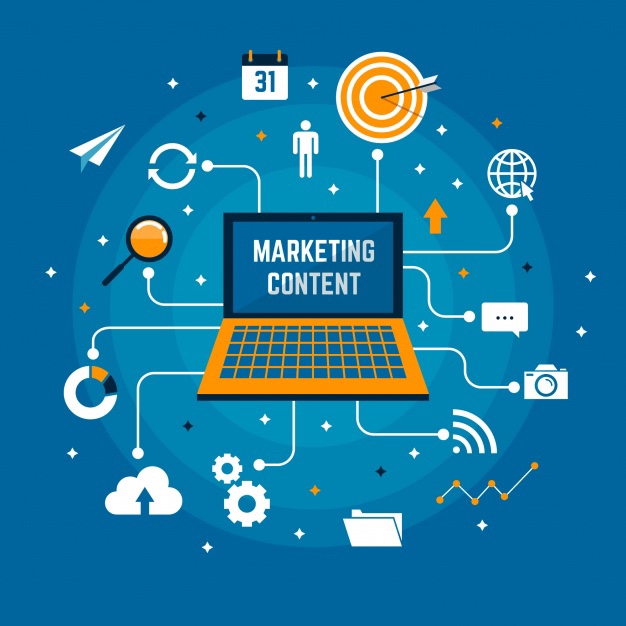
Content fuels every successful online strategy. Blogs, videos, infographics, and guides educate your audience, answer their questions, and build trust. High-quality content positions your brand as an authority while also supporting SEO efforts and encouraging social sharing. When done well, content continues to drive value long after it’s published.
3. Social Media Marketing
Social platforms help brands build strong relationships with their audiences. Whether it’s Instagram Reels, LinkedIn thought leadership, or Facebook groups, social media supports awareness, engagement, and steady traffic growth. It also allows direct interaction with customers, helping brands understand feedback and trends in real time.
4. Paid Advertising (PPC)
Pay-per-click advertising delivers fast, measurable results. Platforms like Google Ads and social media promotions allow businesses to target users based on intent, location, interests, and behavior. This makes paid campaigns highly scalable and ideal for launching products, generating leads, or boosting short-term visibility.
5. Email Marketing
Email remains one of the highest ROI marketing channels available. Personalized campaigns nurture leads, encourage repeat purchases, and keep your brand top of mind. With proper segmentation and automation, email marketing can build long-term customer relationships at a relatively low cost.
Why Digital Marketing Matters for Business Growth
Online marketing levels the playing field. Small businesses can compete with larger brands by targeting niche audiences and optimizing campaigns using real data rather than massive budgets. Performance can be tracked easily, allowing quick testing and improvement without wasting resources.
Key Benefits Include:
- Global reach with precise local targeting
- Measurable results and clear ROI
- Cost-effective customer acquisition
- Stronger, long-term customer relationships
Video: Learn Digital Marketing in Action
For a visual breakdown of how online marketing channels work together, check out this helpful explainer video: YouTube: Digital Marketing Explained – What Is Digital Marketing?
(Search this exact title on YouTube for a beginner-friendly overview.)
How to Build an Effective Marketing Plan
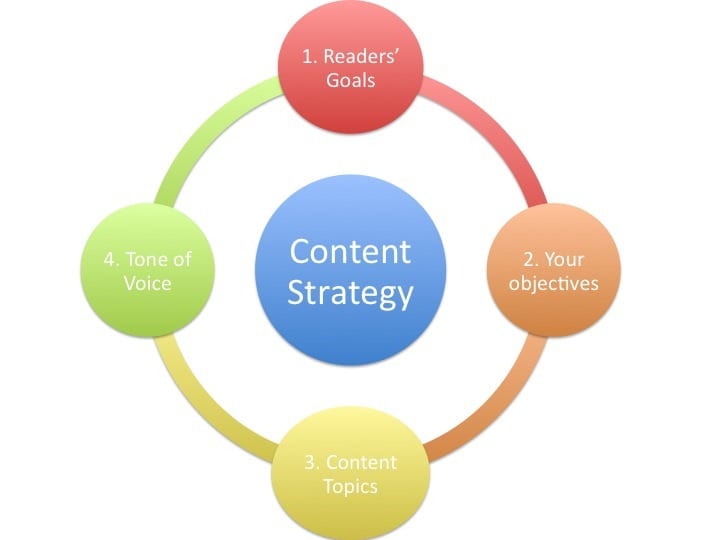
- Set clear goals – traffic, leads, or sales
- Understand your audience – pain points and preferred platforms
- Choose the right channels – SEO, social, paid ads, or email
- Create valuable content – focus on solving real problems
- Measure and optimize – use analytics to improve performance
Consistency is the secret sauce. Online growth compounds over time when strategy, content, and data work together.
Frequently Asked Questions (FAQs)
1. What is digital marketing in simple terms?
It means promoting products or services online using search engines, social media, email, websites, and paid ads.
2. Is it good for small businesses?
Yes. This approach is cost-effective, measurable, and allows small businesses to reach specific audiences without large budgets.
3. How long does it take to show results?
SEO and content efforts may take 3–6 months, while paid ads and social campaigns can deliver results much faster.
4. Which channel works best?
There’s no single best option. The most effective strategy combines SEO, content, social media, and paid advertising.
5. Can I do it without an agency?
Absolutely. With the right tools and learning resources, many businesses manage their online campaigns successfully.